Jaguar XKE at Hot Rod Donkey Ranch | Classic E-Type History and Wheel Upgrade
July 7, 2026

The Jaguar XKE: A Rolling Piece of Art at Hot Rod Donkey Ranch

Some cars are just cars.

And then there are cars like the Jaguar XKE.


The kind of car that doesn’t need to be loud to get attention. It doesn’t need wild paint, giant horsepower numbers, or modern technology to turn heads. It just has to sit there.


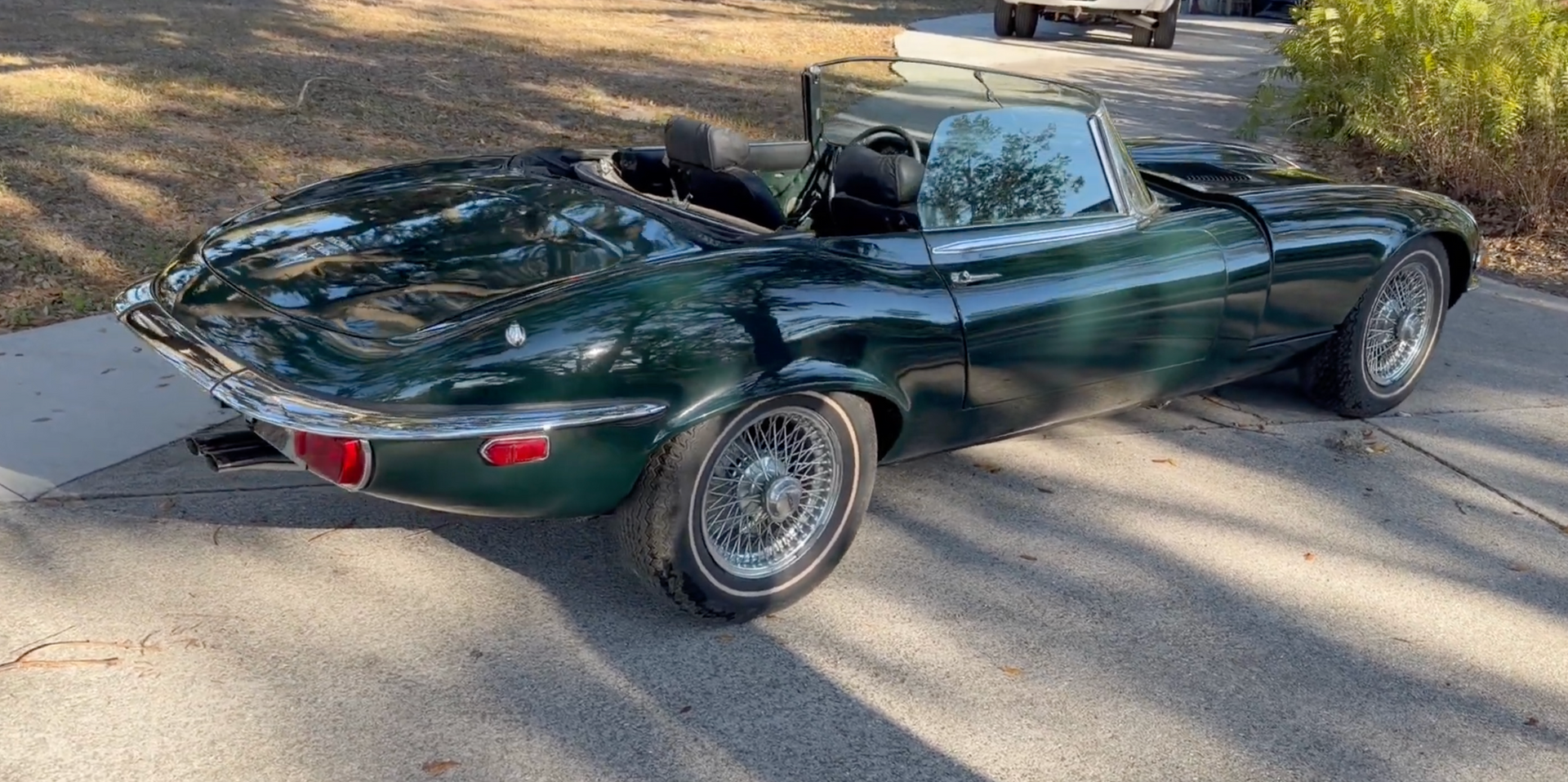
Long hood. Low stance. Smooth curves. That unmistakable Jaguar shape.


At Hot Rod Donkey Ranch, we’re surrounded by all kinds of vehicles. Some are loud, some are strange, some are rescued, and some are just plain fun. But the Jaguar XKE brings something different to the ranch.


It brings elegance.


And maybe a little bit of attitude.


A Little History on the Jaguar XKE

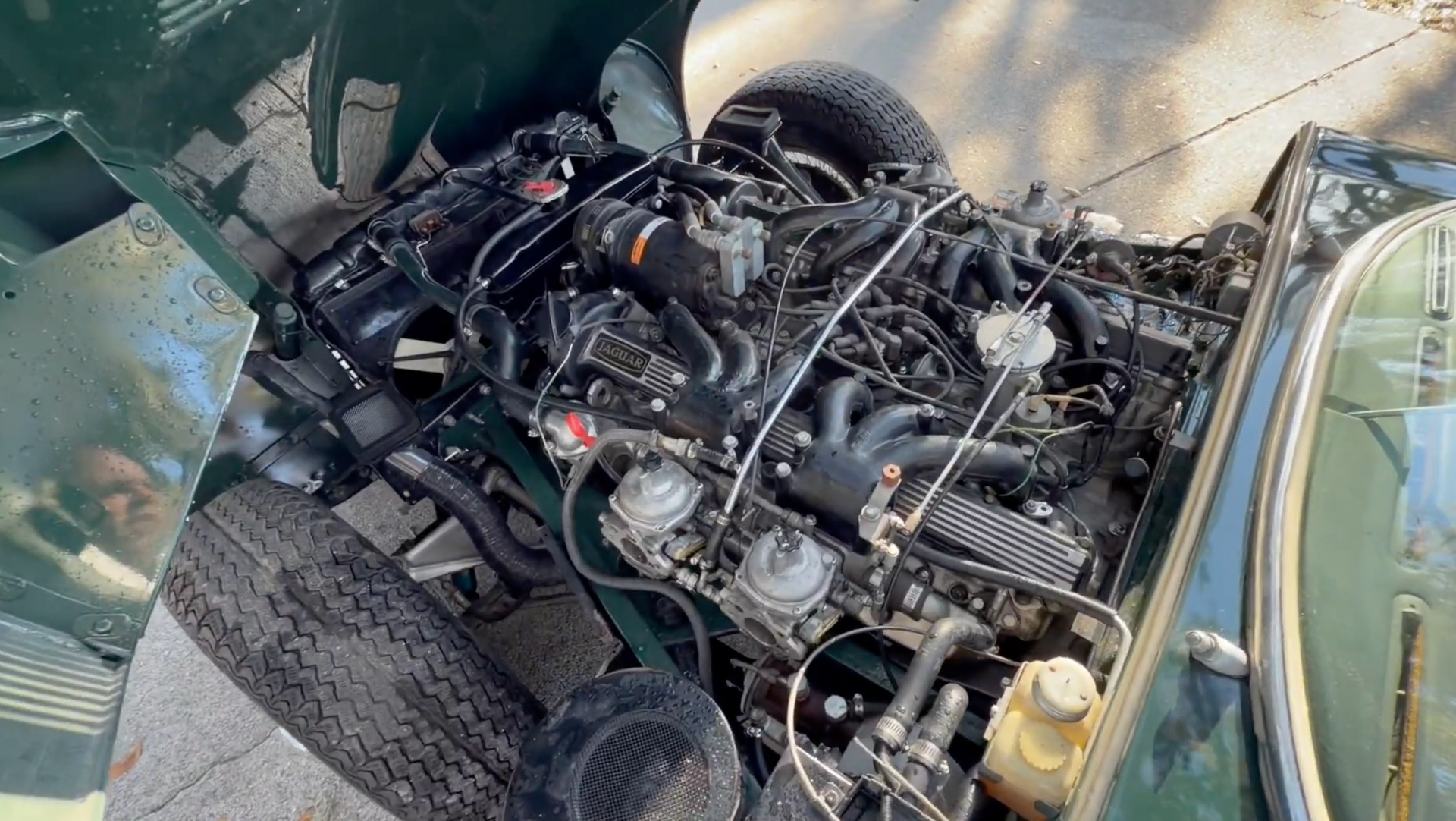
The Jaguar E-Type, known as the Jaguar XK-E in the North American market, was built from 1961 to 1974. When it was introduced, it quickly became one of the most recognizable sports cars in the world. Its combination of performance, styling, and advanced engineering made it stand apart from almost everything else on the road.


The car was inspired in part by Jaguar’s racing history, including the D-Type, which had serious success at Le Mans. That racing influence showed up in the XKE’s shape, handling, and performance. It looked beautiful, but it wasn’t just for show.

It was a real sports car.


For the early 1960s, the XKE was ahead of its time. Independent suspension, disc brakes, rack-and-pinion steering, and that long, aerodynamic body made it feel special then, and it still feels special now.


There’s a reason people still talk about these cars more than 60 years later.


Why the XKE Still Stops People in Their Tracks

The Jaguar XKE has one of those designs that never really got old.

Some cars look like they belong to a specific decade. The XKE looks like it belongs wherever you put it.


Park it in front of a fancy hotel and it fits.

Park it in a dusty barn at the ranch and somehow it still fits.


That’s the magic of it.


It’s elegant without being boring. Sporty without looking overdone. Classic without feeling fragile.


And out here, with the donkeys, the barn, and the mix of race cars, old trucks, and wild projects, the XKE stands out in the best way.


It’s not the loudest thing on the property.


But it might be one of the prettiest.


The Ranch Approach: Drive It, Improve It, Enjoy It


At Hot Rod Donkey Ranch, we’re not building museum pieces just to stare at.


We like vehicles with stories. We like machines that can be worked on, improved, and actually enjoyed.


That’s what makes the XKE fun.


A car like this already has history built into it, but every owner adds another chapter. Sometimes that means maintenance. Sometimes it means cleaning up details. Sometimes it means making a change that improves the way the car looks, feels, or drives.


And in this case, one of those changes was the wheels and tires.


The Wheel and Tire Upgrade

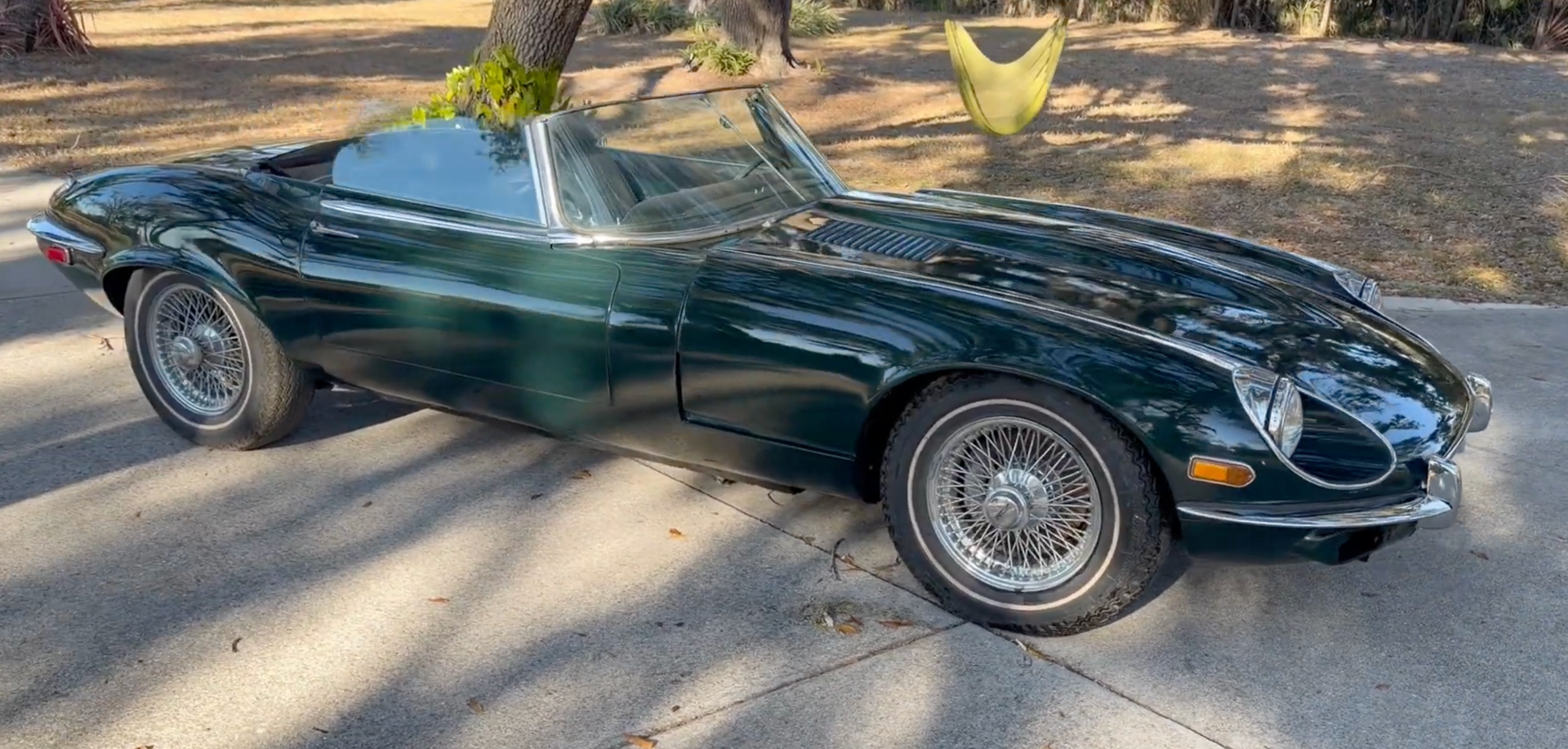
We just did a tire and wheel swap on the XKE, moving from the older 15-inch 195 setup to 16-inch 225 Dayton wheels with Pirelli tires.

That kind of change can completely shift the attitude of a car.


Wheels and tires are one of the most noticeable upgrades on any classic vehicle. They affect stance, handling, road feel, and the overall personality of the car.


On a Jaguar XKE, the wrong wheel can ruin the look.


But the right wheel?


It makes the car feel even more alive.


The Dayton wheels keep that classic wire-wheel style that belongs on a Jaguar, while the wider tire setup gives the car a stronger, more planted appearance. It still respects the original design, but it gives the XKE a little more presence.


That’s the balance we like.


Keep the soul.


Improve the experience.

Why Details Matter on a Car Like This


With some vehicles, you can get away with almost anything.


The Jaguar XKE is not one of those vehicles.


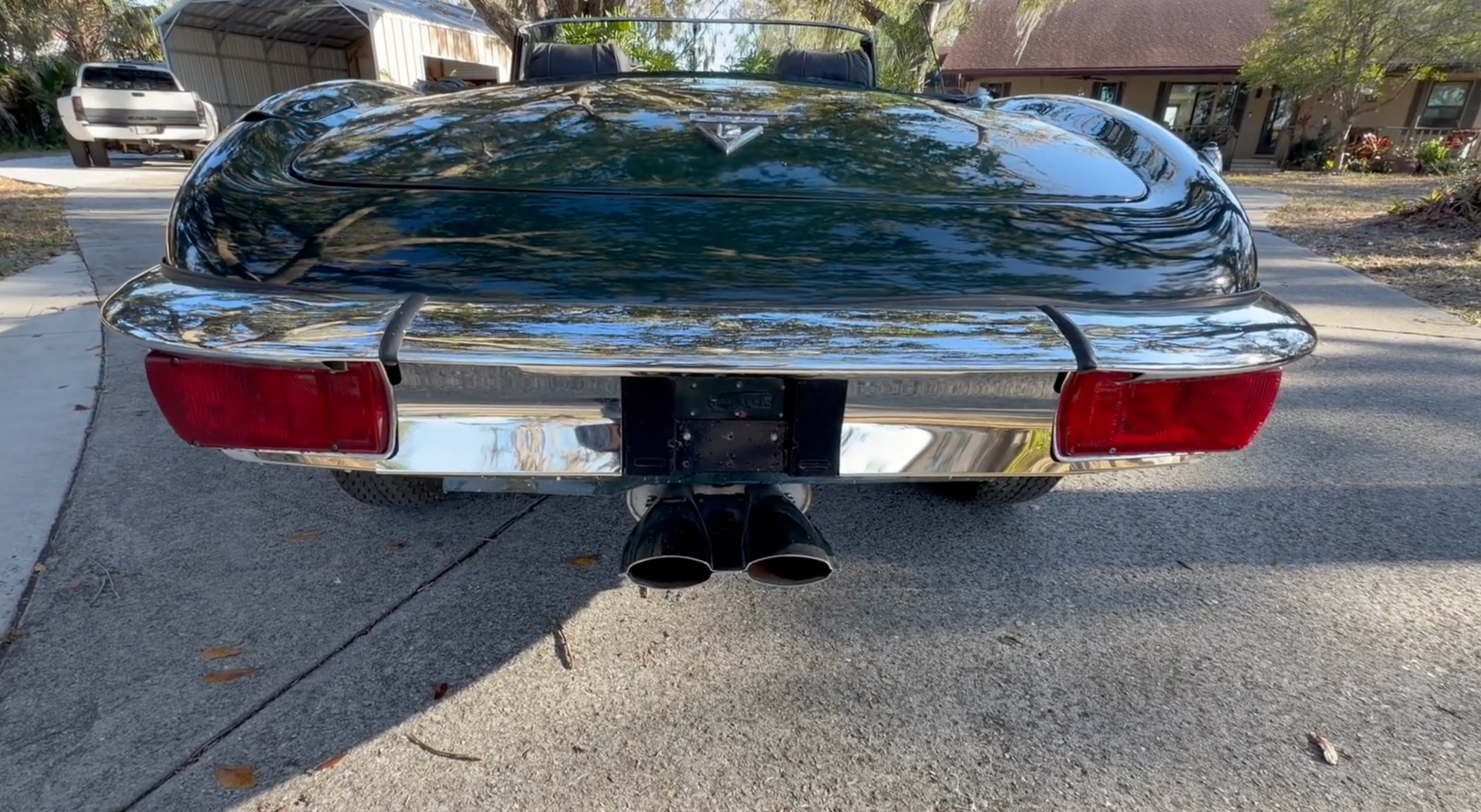
Every detail matters because the whole car is about proportion. The hood, the roofline, the rear end, the wheels, the stance — everything works together.


That’s why changes have to be thoughtful.


You don’t want to take away from what made the car special in the first place. You want to enhance it.


That’s what makes classic car work so interesting. It’s not always about doing the most. Sometimes it’s about doing the right thing.


And with the XKE, restraint matters.

A Different Kind of Ranch Vehicle

The Jaguar XKE may not be the first thing people expect to see at Hot Rod Donkey Ranch, but that’s kind of the point.


This place isn’t just one style of vehicle.


It’s anything with a story.


Race cars. Military machines. Oddballs. Classics. Motorcycles. Projects that need saving. Vehicles that make people stop and say, “Wait, what is that?”


The XKE fits right in because it has personality.


It may be polished and refined, but it still has that mechanical charm that makes old vehicles worth loving.


You hear it. You feel it. You notice little things that modern cars smooth over.


And that’s exactly why we like it.

Why the Jaguar XKE Has Lasted So Long

Some cars become collectible because they are rare.

Some become valuable because they are fast.


The Jaguar XKE became legendary because it had the whole package.


It was beautiful. It was advanced. It was exciting. It was different.


And decades later, it still feels different.


That’s hard to do.


The automotive world has changed a lot since the XKE first hit the road, but its appeal hasn’t gone away. If anything, cars like this feel more special now because they remind us what driving used to be.


Less screen.

More machine.

Less isolation.

More connection.

Final Thoughts from the Ranch

The Jaguar XKE is one of those cars that proves good design doesn’t expire.

It doesn’t need to scream for attention. It doesn’t need to explain itself.


It just shows up, sits low, stretches that long hood out in front of you, and reminds everyone why classic cars still matter.

And with the updated wheels and tires, this one has a little extra stance while still keeping the timeless Jaguar look.


At Hot Rod Donkey Ranch, that’s what we love most.

Vehicles with history.

Vehicles with personality.

Vehicles that deserve to be driven, talked about, and appreciated.


The Jaguar XKE checks every box.

And Pancho and Cisco probably approve too.....as long as we end up choosing the right interior color.....
July 7, 2026
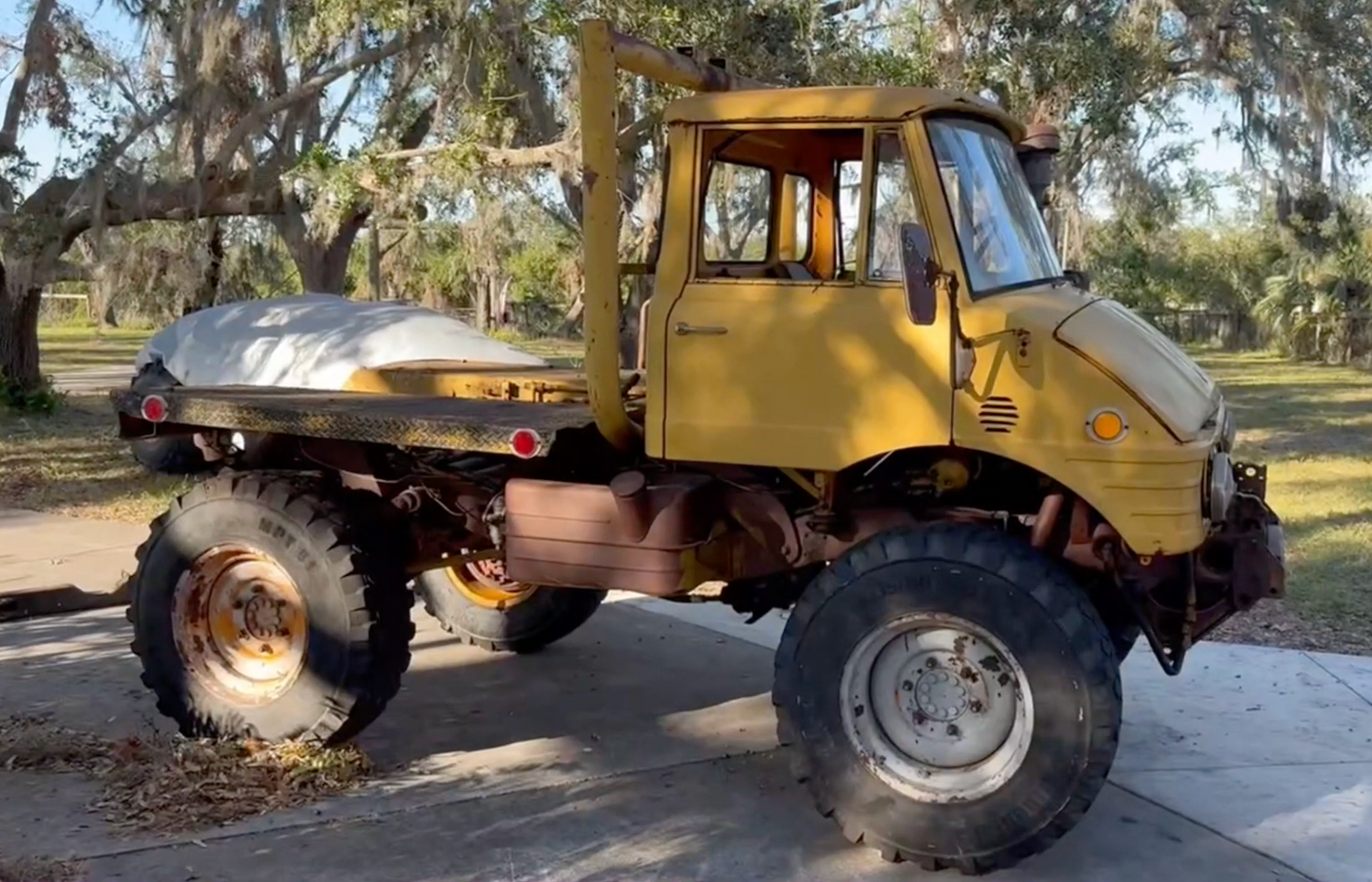
The Mercedes-Benz Unimog: The Ranch Vehicle That Looks Like It Can Drive Over Anything Some vehicles show up and immediately make you wonder one thing: “What exactly is that thing built for?” That is the Mercedes-Benz Unimog. It is not a regular truck. It is not a tractor. It is not just an off-road vehicle. It is somewhere in the middle of all of it, which is exactly what makes it so interesting. At Hot Rod Donkey Ranch, we have a soft spot for vehicles that don’t fit neatly into one category. Race cars made street legal. Military machines with wild backstories. Small motorcycles that taught generations how to ride. And then there is the Unimog, a Mercedes-Benz workhorse that looks like it was designed by someone who had zero interest in pavement being required. Our 1970 Mercedes-Benz Unimog fits the ranch perfectly because it is tough, unusual, mechanical, and built with a purpose. And...... it looks like it could climb out of a ditch, haul a load, and still make Pancho and Cisco stop what they’re doing to inspect it. What Is a Unimog? The word “Unimog” comes from the German phrase Universal-Motor-Gerät , which roughly means universal motorized implement or universal motor device. That name tells you almost everything you need to know. The Unimog was designed to be more than transportation. It was designed to work. Originally, the Unimog was created as a highly versatile agricultural machine after World War II. It could be used in fields, forests, farms, construction areas, military applications, and places where a normal truck would simply give up. That is the whole personality of the Unimog. It does not care if the road ends. A Little History on the Mercedes-Benz Unimog The first series-produced Unimog was delivered in 1949 by general distributor Kloz in Fellbach, Germany, after production began at Gebrüder Boehringer in Göppingen. Daimler-Benz later took over Unimog production in 1951, and the vehicle became part of the Mercedes-Benz family. By 1953, the Mercedes-Benz star appeared on the Unimog, replacing the original ox-head style emblem. An enclosed cab also became available, helping turn the Unimog into an all-weather work vehicle instead of just a field machine. By the time our 1970 Unimog came along, the vehicle had already earned a reputation for being one of the most capable and flexible machines in the world. Mercedes-Benz continued developing lighter and heavier-duty Unimog model series during the late 1960s and early 1970s, building on its reputation as a true all-purpose workhorse. That is why Unimogs have been used for so many different jobs over the years, including agriculture, utility work, military service, snow removal, forestry, rescue work, overlanding, and off-road exploration. Basically, if there is a difficult job in a difficult place, somebody has probably tried to solve it with a Unimog. Why the Unimog Looks So Different The Unimog has a look that is impossible to mistake for anything else. High ground clearance. Short overhangs. Big tires. Compact cab. Purpose-built stance. It does not look like it was styled to be pretty. It looks like it was engineered to survive. One of the biggest reasons the Unimog is so capable off-road is its use of portal axles. Portal axles allow the axle housing to sit higher than the wheel centerline, creating more ground clearance underneath the vehicle. Pair that with four-wheel drive and differential locks, and you have a machine built to crawl through terrain that would stop most trucks. That is what makes the Unimog so fascinating. It is not pretending to be rugged. It actually is. Not Fast. Not Fancy. Not Fragile. A Unimog is not the vehicle you buy because you want luxury. It is not built to glide silently down the highway. It is not trying to compete with a modern pickup. It is not concerned with cupholders, touchscreen menus, or leather-trimmed convenience. The Unimog is old-school mechanical confidence. Everything about it feels purposeful. The height, the gearing, the tires, the cab, the way it sits. It has the kind of presence that makes people stop and ask questions. And that is exactly the kind of vehicle we love at the ranch. Because around here, the weird ones usually have the best stories. Why a Unimog Belongs at Hot Rod Donkey Ranch There are vehicles you collect because they are beautiful. There are vehicles you build because they are fast. And then there are vehicles like the Unimog, which you keep because it feels like it could be useful in an apocalypse. It fits the Hot Rod Donkey Ranch vibe because it is different in all the right ways. It is part farm equipment, part off-road truck, part military-style workhorse, and part conversation starter. It feels just as at home near the barn as it would on a mountain trail or crawling through mud somewhere it probably should not be. At the ranch, we appreciate machines with personality. The Unimog has plenty. It is not polished in the traditional sense. It is not delicate. It is not trying to impress anyone. That is what makes it cool. The Beauty of Purpose-Built Machines Modern vehicles are often built to do a little bit of everything while looking clean and comfortable. The Unimog came from a different way of thinking. It was built to solve real problems. Need to work in a field? Need to pull equipment? Need to climb over rough terrain? Need to drive where a normal truck cannot? Need something that can be adapted for different jobs? That is what the Unimog was made for. And that is why it has lasted so long. A lot of vehicles come and go because they were built around trends. The Unimog has stuck around because usefulness never goes out of style. Why People Still Love the Unimog The Unimog has a loyal following because it represents something rare. It is honest. It does not look tough for marketing. It looks tough because it had to be. It was designed for farmers, workers, militaries, utility crews, and people who needed something more capable than a normal truck. Today, collectors and enthusiasts love Unimogs because they are mechanical, unusual, and almost endlessly adaptable. Some people restore them. Some turn them into overland rigs. Some use them as working farm trucks. Some just love having one because nothing else feels quite like it. And when you see one in person, you get it. A Ranch Favorite for a Reason The 1970 Mercedes-Benz Unimog is not the flashiest vehicle at Hot Rod Donkey Ranch. It is not the sleekest. It is not the fastest. It is probably not the easiest thing to park. But it might be one of the most interesting. It has history. It has capability. It has that oddball charm we love. And it carries itself like a machine that has nothing to prove. That is what makes it special. Some vehicles are built for speed. Some are built for comfort. Some are built to look good. The Unimog was built to go to work, go off-road, and keep going. And around here, that earns a lot of respect. Final Thoughts from the Ranch The Mercedes-Benz Unimog is one of those vehicles that reminds us why old machines are worth preserving. It is simple in some ways, wildly capable in others, and completely different from almost everything else on the road. At Hot Rod Donkey Ranch, that is exactly the kind of vehicle that belongs here. A little strange. A little rugged. A whole lot of personality. And definitely donkey-approved.
May 23, 2026
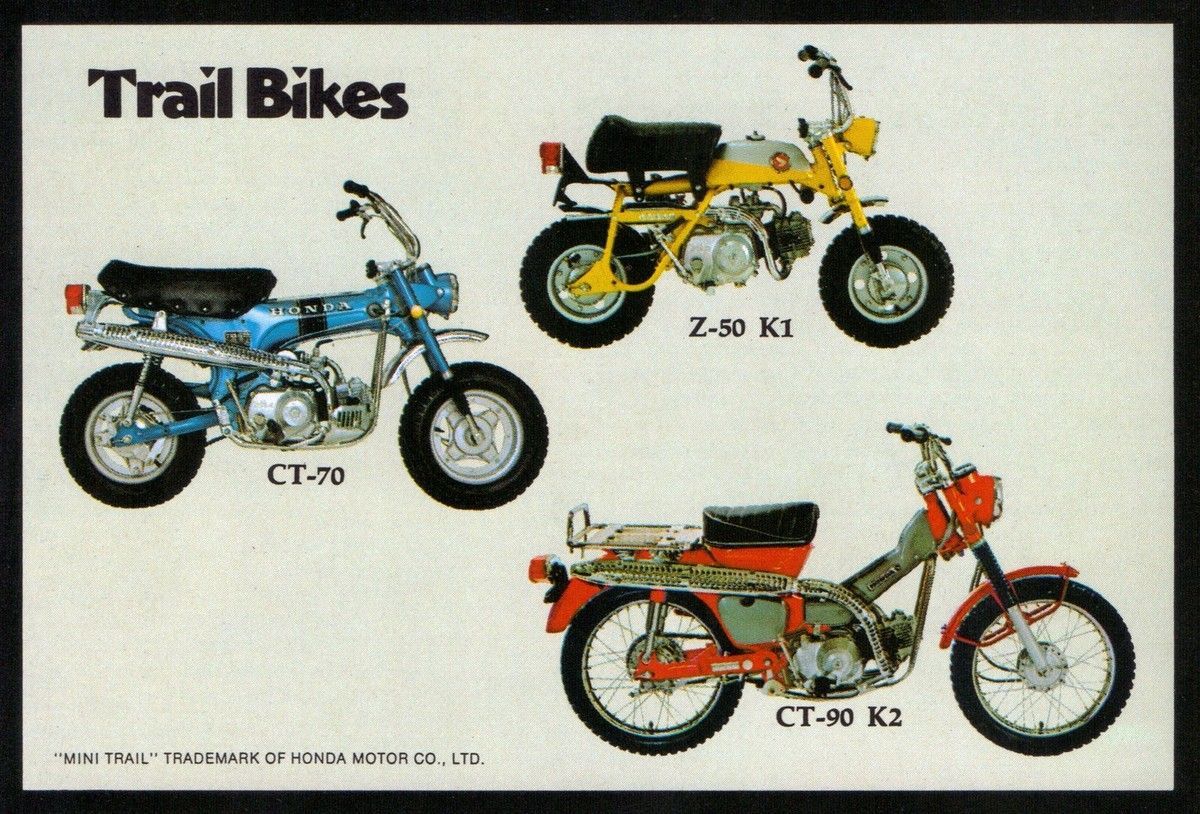
Discover why the Honda Trail 70 became one of the most iconic mini motorcycles ever made. Learn the history of the Honda CT70 and why it remains one of the best beginner motorcycles today.
March 30, 2026
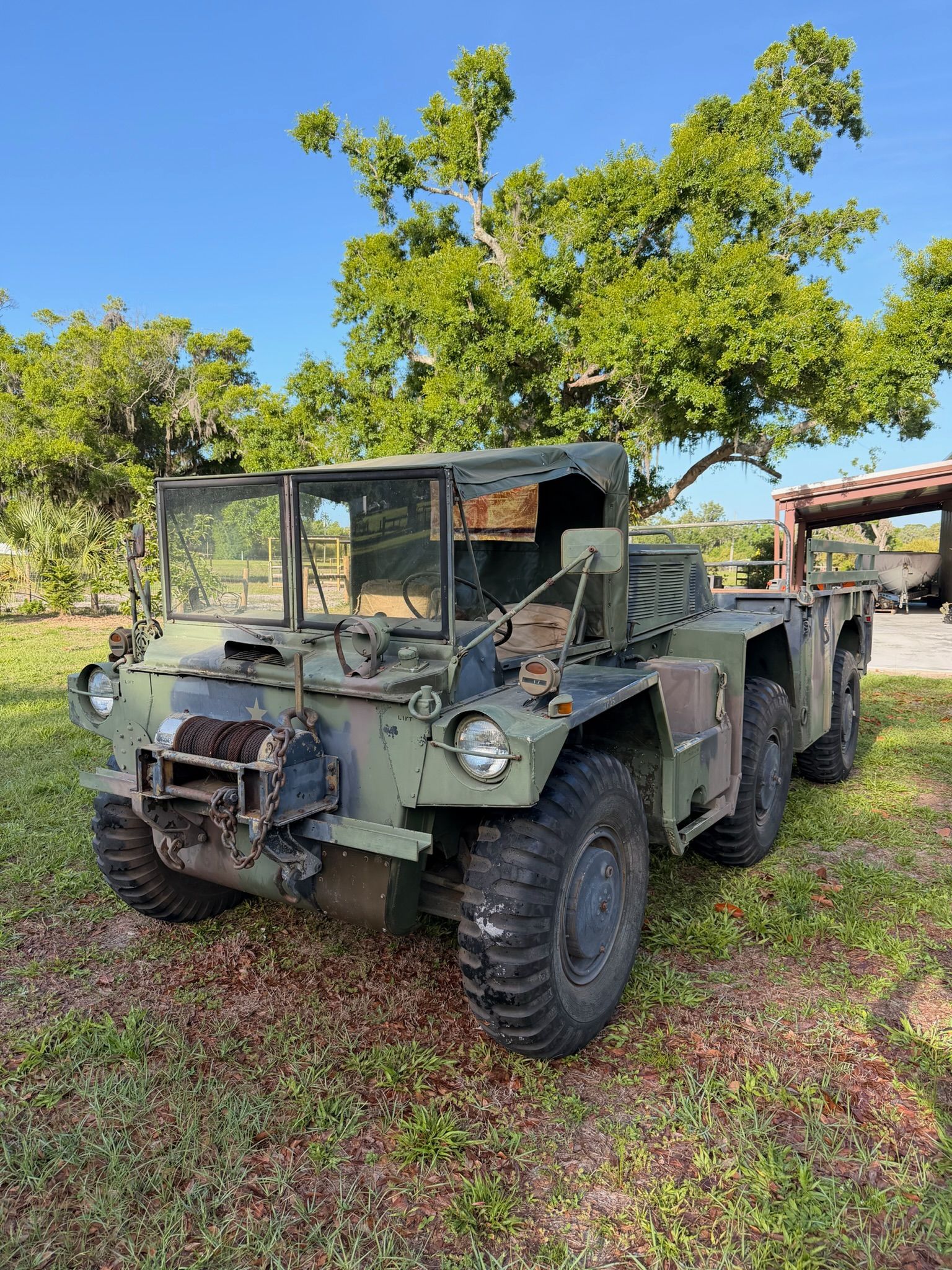
After six months, our Gama Goat is finally here. Street legal, rare, and built for anything. Watch the video and follow the journey.
March 20, 2026
Discover the unexpected perks of building and restoring cars in the country. From more space and freedom to sunset test drives and a better workflow.
March 20, 2026
Learn what it really takes to convert a drag car into a street legal machine in Florida. From wiring and cooling systems to registration and compliance, here’s everything you need to know.
February 3, 2026
Discover the best Florida road trips for car lovers — from the Overseas Highway to coastal cruises, scenic drives, and iconic routes built for year-round driving.
January 15, 2026
For true car lovers, the road trip isn’t just about getting somewhere — it’s the drive, the scenery, the history, and the roads that beg you to downshift and enjoy the ride. From coastal highways to desert stretches and racing landmarks, these are the best road trips for automotive enthusiasts in 2026 .
January 10, 2026
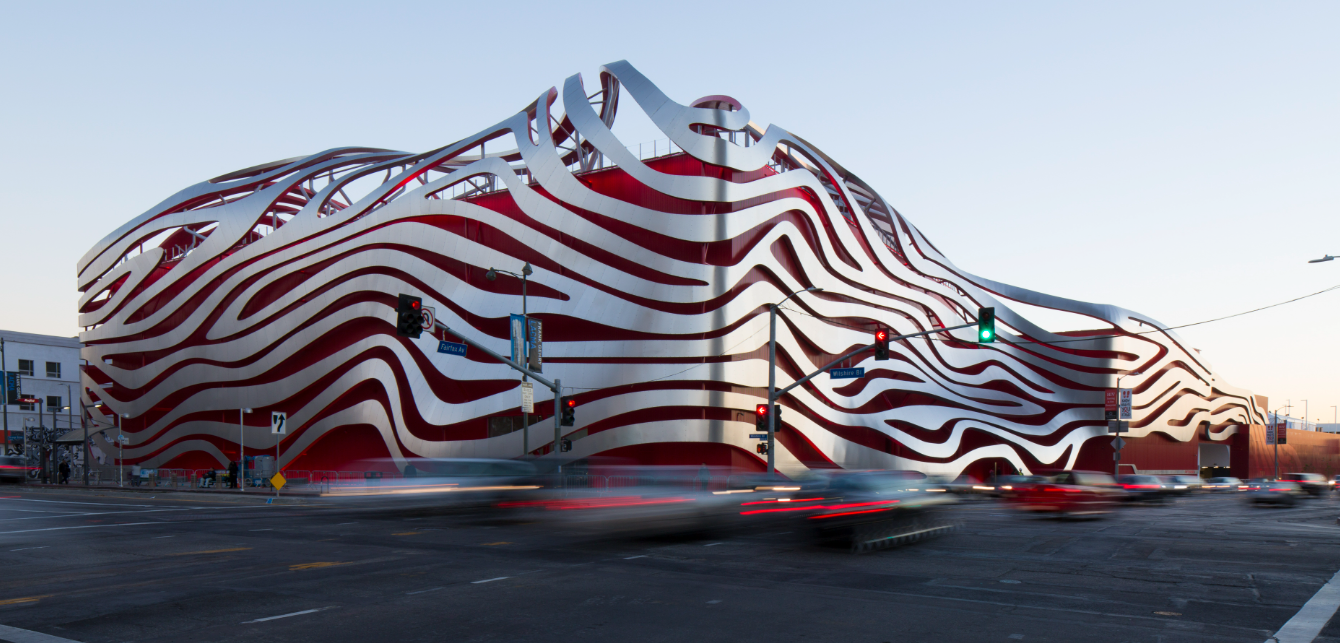
Top 10 Car Museums to Visit in the U.S. in 2026
November 28, 2025
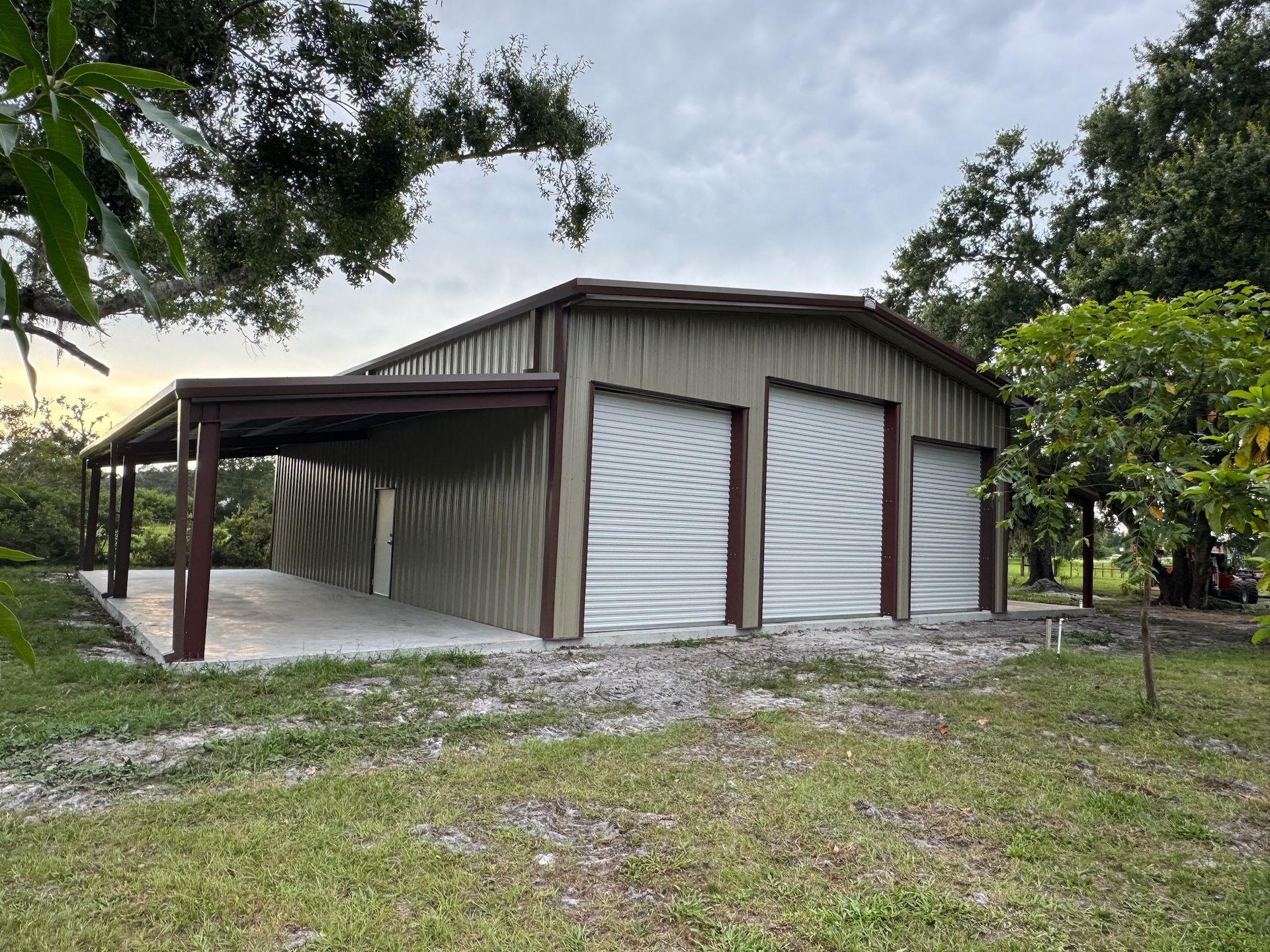
Explore our new hurricane-rated, roof-insulated Hot Rod Barn at Hot Rod Donkey Ranch — built with 7 truckloads of concrete and 20 ft ceilings for big rescue projects.
November 20, 2025
Meet Pancho & Cisco: The Nosy Miniature Mascots of Hot Rod Donkey Ranch At Hot Rod Donkey Ranch, we don’t just build custom hot rods and transform race machines into street-legal beasts — we also share the property with two of the most unexpected shop supervisors you’ll ever meet. Pancho and Cisco, our resident miniature donkeys, came with the ranch long before we ever turned a wrench on this land. They’re about six years old, stubborn in all the right ways, and living proof that sometimes you don’t own a donkey — the donkey owns you. But honestly? We wouldn’t have it any other way.